Vermont Drywall

Drywall Finishing in Chittenden County, Vermont

Get a Written Quote
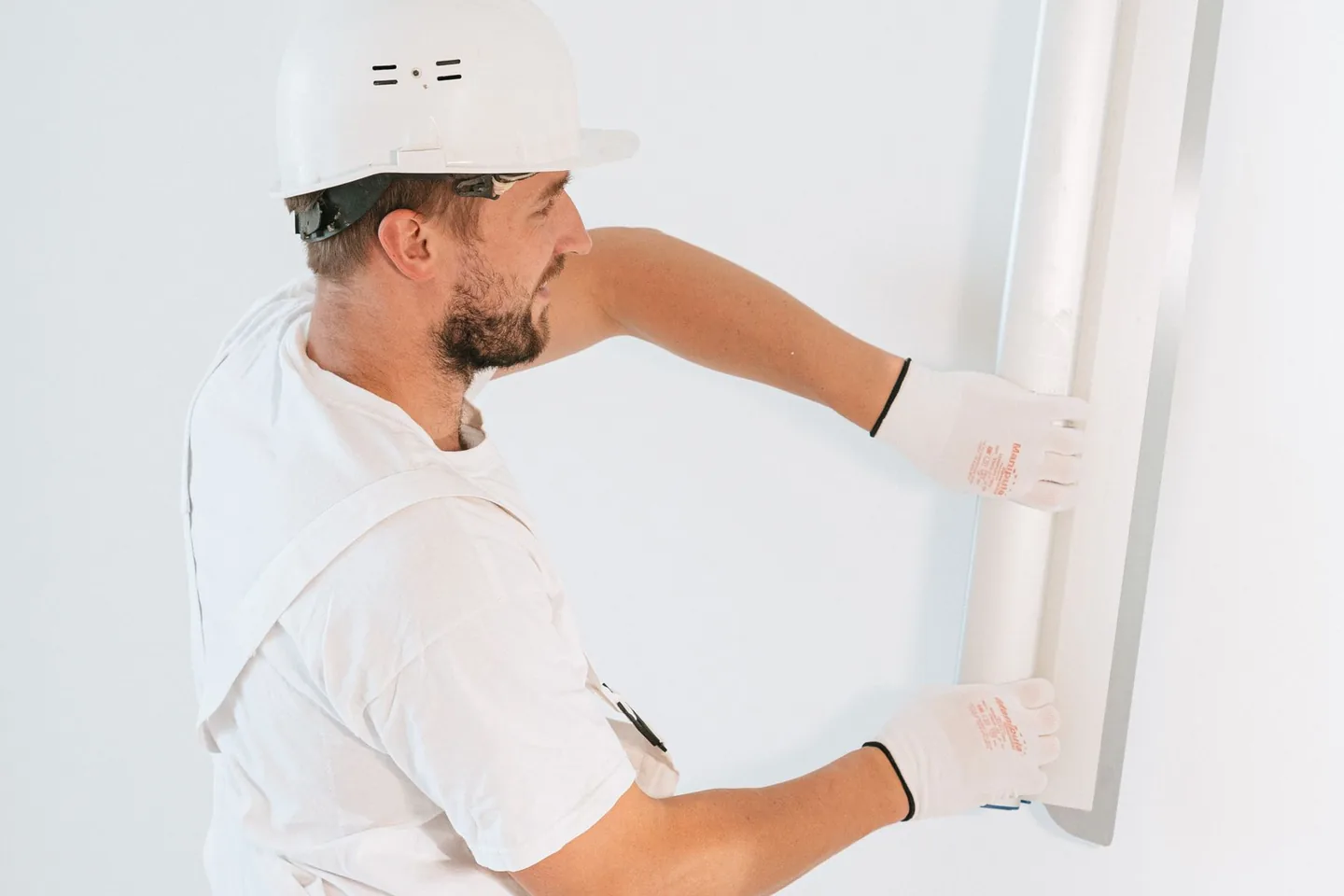
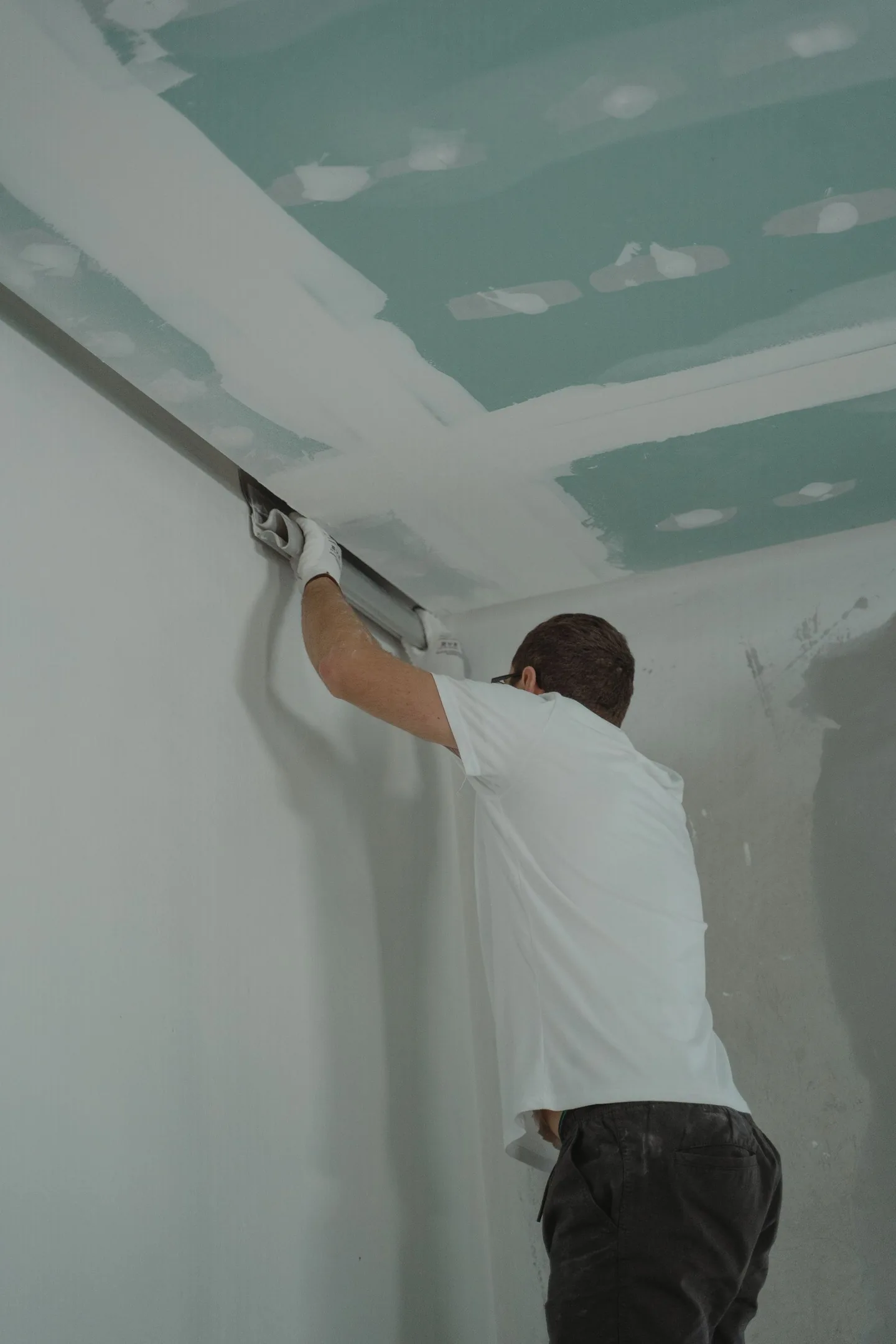
A tradesperson leveling joint compound on an interior wall

Scope before work starts

Agree on the surfaces, materials, finish, and price with the contractor.

Clear contractor contact

Discuss project requirements, insurance, and scheduling directly.

Protection and cleanup

Include room protection, dust handling, and cleanup in the work plan.

Chittenden County projects

Request drywall work for your town, room, and renovation needs.

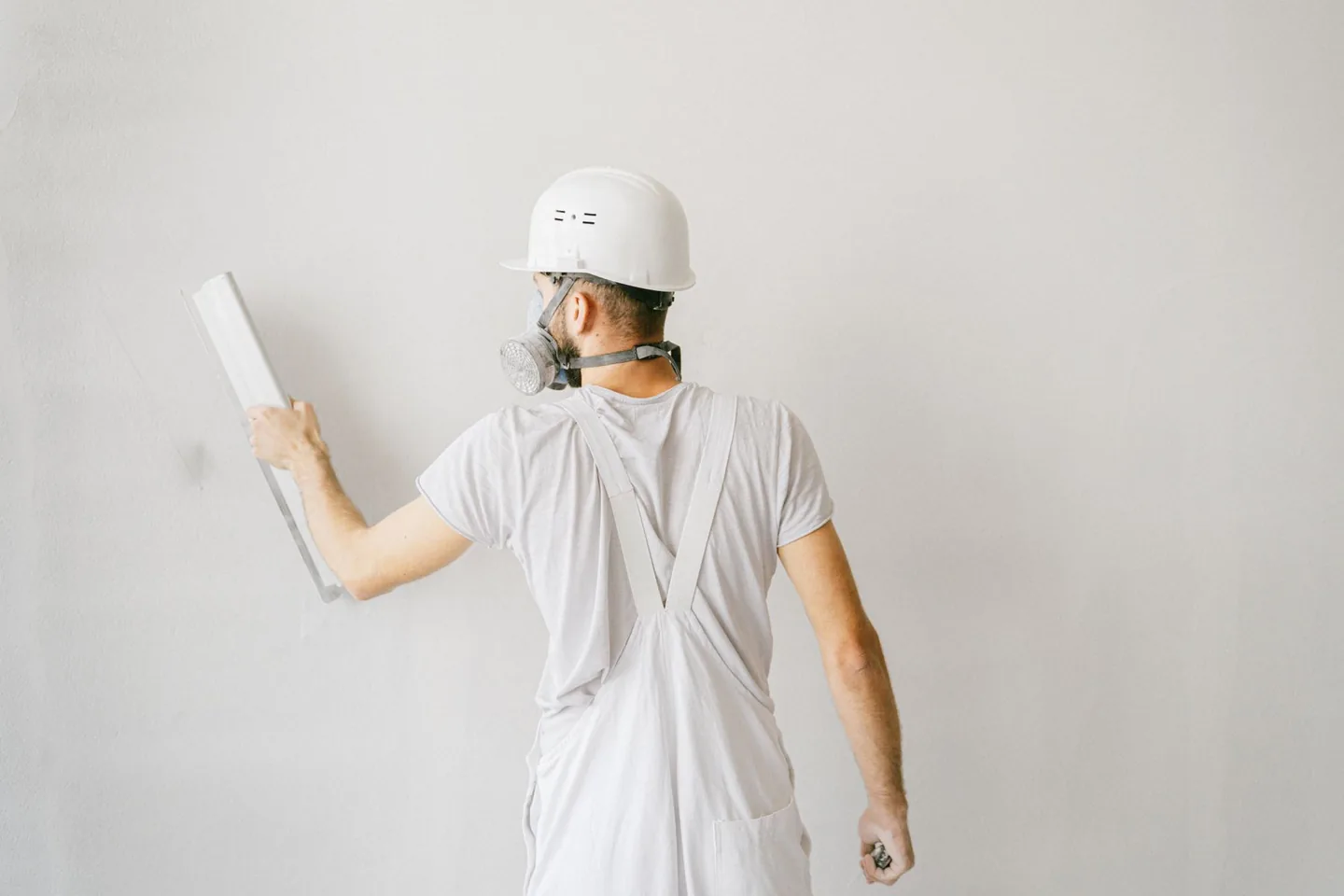
A drywall tradesperson smoothing an interior wall

VERMONT DRYWALL

Drywall Finishing for your project

Drywall finishing turns separate panels and repaired areas into a continuous surface. It includes taping, joint compound, corner treatment, and preparation for decoration. Vermont Drywall accepts finishing requests across Chittenden County, Vermont for new installations, wall repairs, textured surfaces, and smooth walls or ceilings.

Finishing new board and existing repairs

New panels need treatment at seams, fasteners, and corners. Existing repairs also need a transition into the surrounding wall or ceiling so the patch boundary does not remain raised.

The board and repair base must be sound before finishing begins. Compound can refine a surface, but it cannot correct loose board or a structural problem.
Drywall Installation →Drywall Repair →
A tradesperson leveling joint compound on an interior wall

Taping and joint compound

Tape reinforces panel joints, and joint compound covers and feathers the treated area. Coats are built in stages with the setting or drying time required by the selected products.

Taping and mudding are distinct from painting. The finished joint surface still needs the agreed preparation and decorating sequence.

Inside corners and outside edges

Inside angles and exposed corners need treatment suited to their position and use. Corner accessories help form a defined edge where walls meet or an opening ends.

Damaged trim or loose corners may require preparation before finishing. The quote should account for those conditions rather than only the flat wall area.

Smooth walls and texture blending

Smooth finishing and texture matching are different goals. An existing pattern may vary because of old paint, earlier patches, or the original application.

An agreed sample or blending area helps set the expected appearance. Some repairs may need a wider surface treatment to create a consistent transition.

Level 4 and Level 5 drywall finishes

Level 4 finishes the joints, fasteners, and accessories to the specified level. Level 5 adds a skim coat or suitable treatment across the whole board surface beyond that underlying joint finish.

The added surface treatment can help reduce visible differences under demanding paint or lighting conditions. Finish selection should reflect the planned decoration; primer and paint remain separate stages.

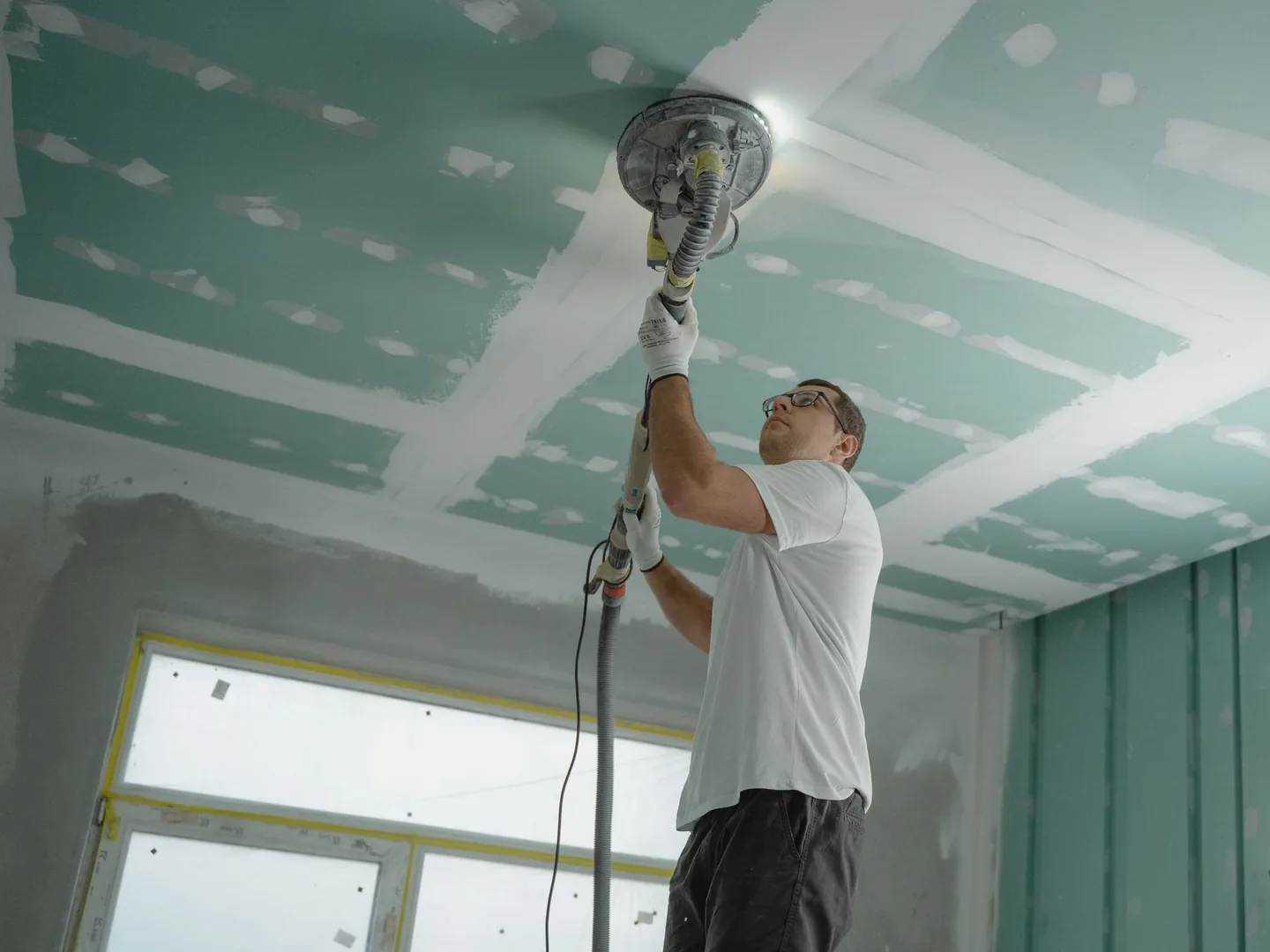
A tradesperson using a ceiling sander during renovation

Ceilings and strong side lighting

Light grazing across a ceiling or a large wall can emphasize seams and small surface variations. Windows, fixtures, and the paint sheen influence what the finished surface reveals.

Discuss the room lighting before choosing the finish. A broader treatment may suit some smooth ceilings, while an existing textured surface may need a defined matching approach.

Ceiling Drywall →

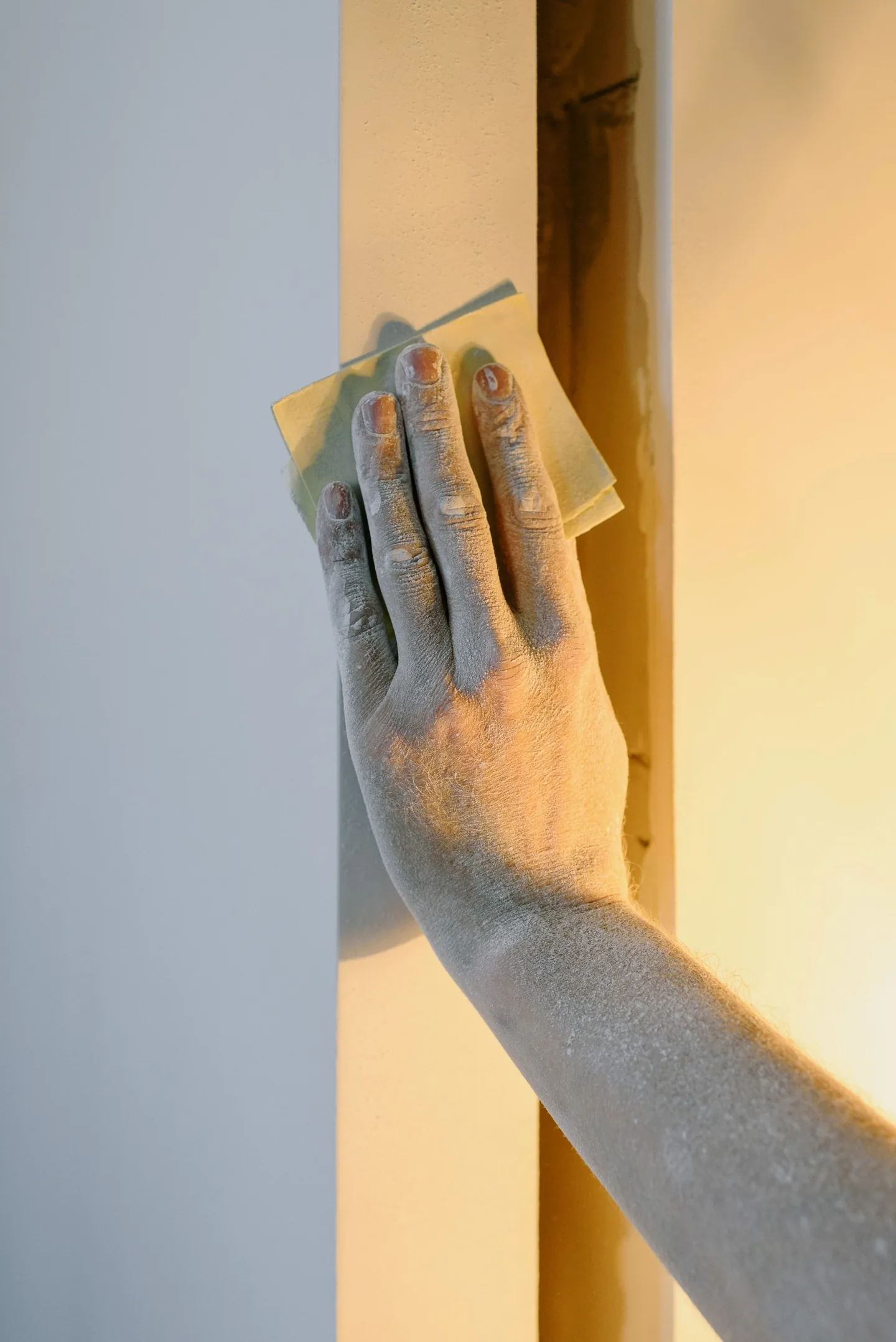
Sanding, skim coating, and preparation

Sanding refines the compound surface before decoration. A skim coat is a thin surface treatment; it does not make an out-of-plumb wall structurally straight.

Floor protection, dust handling, and cleanup belong in the same scope. Occupied rooms and neighboring areas may need access arrangements while finishing proceeds.

The handoff to primer and paint

The written quote should state the finish level or agreed appearance, areas treated, and surface condition at handoff. Primer and final decoration may be performed separately.

Provide the town, new-board or repair areas, desired texture, and planned paint. Those details make a finishing estimate more useful than a request for a smooth wall alone.

PROJECT SCOPE

Drywall Finishing: what the quote can cover

01

Taping panel joints

02

Joint compound and feathered coats

03

Inside and outside corners

04

Smooth or textured surfaces

05

Skim coating and finish levels

06

Sanding and decorating preparation

BEFORE WORK BEGINS

How to plan the drywall project

01

A written project scope

Ask the contractor to set out the surfaces, preparation, materials, finish, and price. Clarify any separate primer, paint, or trade work and how changes will be agreed.

02

Direct project questions

Discuss access, timing, project requirements, and contractor documentation before proceeding. The contractor handling the request will confirm the work and availability.

03

Room protection and cleanup

Plan how furniture, flooring, and neighboring rooms will be protected. Include sanding dust handling, removal of debris, and cleanup responsibilities in the scope.

04

Local project details

Share the town, work area, ceiling height, and condition of the surfaces. Include access constraints and other trades so the assessment reflects your actual space.

FAQ

Drywall Finishing questions

What is the difference between Level 4 and Level 5?

Level 5 adds treatment across the full surface beyond the Level 4 joint finish. Discuss the planned paint and lighting with the contractor to decide where the additional finishing step is appropriate.

Can skim coating straighten an uneven wall?

A thin skim coat is a surface treatment. If the wall is not plumb or the underlying construction is uneven, ask the contractor to assess that condition and explain what preparation or separate work is needed.

Can new finishing match an existing texture?

Have the contractor review the actual texture and surrounding paint. Ask about a sample or agreed appearance and whether the scope should extend beyond the patch to create a more consistent transition.

Is primer part of drywall finishing?

Confirm that responsibility in the estimate. Agree on the condition of the surface at handoff, who will prime and paint it and when the contractor considers it ready for decoration.

Request a drywall finishing quote

Share the town, surfaces, and work you need. The local contractor will review the details and confirm the next step.

Request a Quote