
Vermont Drywall

Ceiling Drywall Installation and Repair in Chittenden County, Vermont

Get a Written Quote
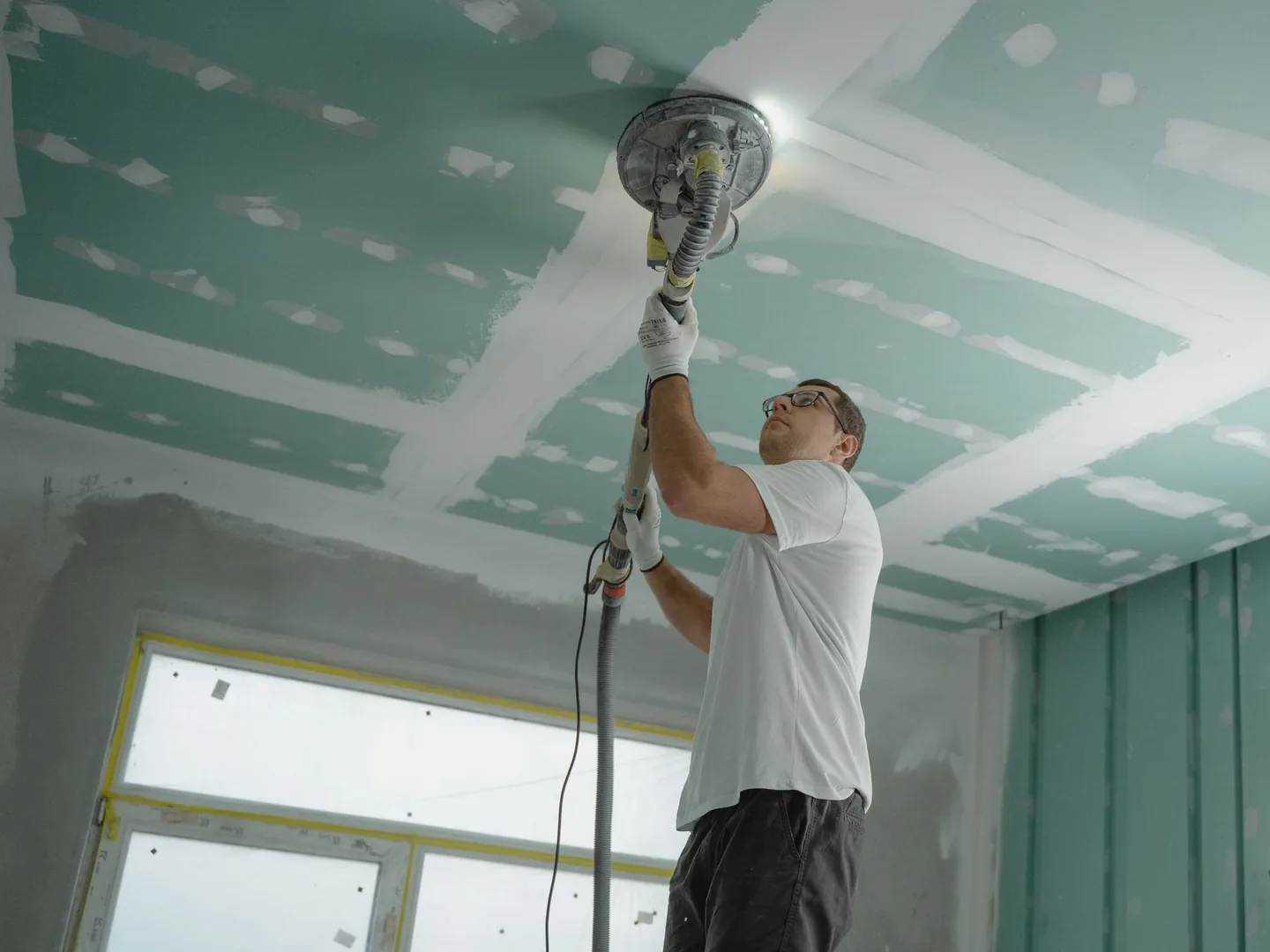
A tradesperson using a ceiling sander during renovation

Scope before work starts

Agree on the surfaces, materials, finish, and price with the contractor.

Clear contractor contact

Discuss project requirements, insurance, and scheduling directly.

Protection and cleanup

Include room protection, dust handling, and cleanup in the work plan.

Chittenden County projects

Request drywall work for your town, room, and renovation needs.

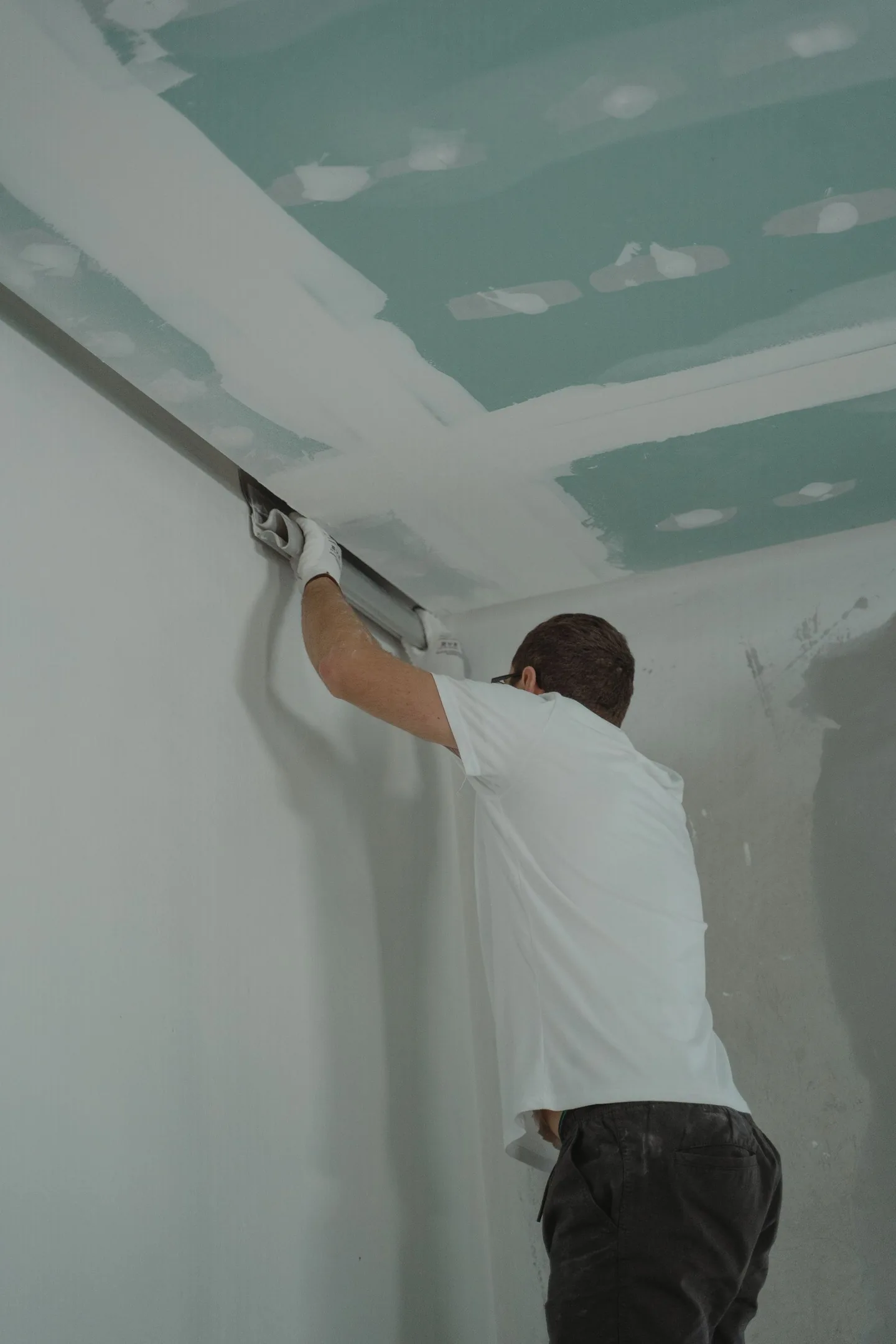
A tradesperson leveling joint compound on an interior wall

VERMONT DRYWALL

Ceiling Drywall for your project

Ceiling drywall work can involve new board, a patch after plumbing access, damaged seams, or refinishing an existing surface. Vermont Drywall accepts ceiling installation and repair requests throughout Chittenden County, Vermont. Ceiling height, support, lighting, and texture matter as much as the size of the affected area when planning the finished result.

Ceiling installation and localized repairs

A new ceiling starts with the supporting structure and selected board. A localized repair starts with the condition of the damaged area and the sound material around it.

Flat, sloped, and vaulted ceilings have different access needs. Fixtures, stairwells, and furniture can also affect how the work is protected and reached.
Board selection and ceiling support

Ceiling panels need to suit the framing, spacing, attachment, and finish specified for the project. One thickness is not automatically suitable for every ceiling.

Sagging or loose material requires assessment before cosmetic finishing. New compound cannot correct an unstable panel or an unresolved support problem.

Required ceiling assemblies

A ceiling may form part of a specified fire or sound assembly. Board type is only one component; layers, attachment, openings, and other details must work together.

For a garage, shared building, or commercial project, provide the relevant plans and requirements. The responsible contractor can then define the drywall work within that assembly.

Commercial Drywall →
Finishing the joint where a wall meets a ceiling

Seams, corners, and ceiling edges

Ceiling joints and perimeter connections need tape, compound, and appropriate edge treatment. Repairs should connect to supported, sound material rather than stop at a weak edge.

The finishing area may extend beyond a visible crack or opening. Feathering that transition helps prevent the patch boundary from standing out after decoration.

Drywall Finishing →

Ceiling repairs after water damage

A stain, soft board, and a sagging panel are different conditions. The leak source and affected materials need assessment before deciding whether to prepare the surface or replace a section.

Drying and any necessary remediation precede new board and finishing. Include the leak history and work already completed when requesting the ceiling repair.

Water Damage Drywall Repair →

Matching or removing ceiling texture

A patch in a textured ceiling needs a plan for the surrounding pattern. A small blend may suit some surfaces; an irregular or heavily painted texture can need a wider treatment.

Older popcorn texture should be assessed for asbestos and other material hazards before disturbance. Removal and a new smooth finish are separate scope details.

Popcorn Ceiling Removal →
A tradesperson using a ceiling sander during renovation

Ceiling finishing under natural light

Light from windows or fixtures can reveal seams and small surface differences across a ceiling. Finish selection should reflect the actual lighting and intended paint.

A broader skim treatment may be appropriate for some smooth ceilings. The agreed finish, primer, and paint should be identified before work begins.

Drywall Finishing →

Ceiling quote and work sequence

Room dimensions, ceiling height, and access influence setup and price. A repair above stairs or in a vaulted room needs different preparation from a reachable flat ceiling.

Provide the town, affected area, existing texture, and preferred result. The quote can then distinguish preparation, board repair, finishing, protection, and decoration.

PROJECT SCOPE

Ceiling Drywall: what the quote can cover

01

New ceiling board

02

Supported ceiling patches

03

Seam and perimeter repairs

04

Texture blending or finish changes

05

Lighting and finish selection

06

High-ceiling access planning

BEFORE WORK BEGINS

How to plan the drywall project

01

A written project scope

Ask the contractor to set out the surfaces, preparation, materials, finish, and price. Clarify any separate primer, paint, or trade work and how changes will be agreed.

02

Direct project questions

Discuss access, timing, project requirements, and contractor documentation before proceeding. The contractor handling the request will confirm the work and availability.

03

Room protection and cleanup

Plan how furniture, flooring, and neighboring rooms will be protected. Include sanding dust handling, removal of debris, and cleanup responsibilities in the scope.

04

Local project details

Share the town, work area, ceiling height, and condition of the surfaces. Include access constraints and other trades so the assessment reflects your actual space.

FAQ

Ceiling Drywall questions

Does every ceiling need 5/8-inch drywall?

No. Suitable products and installation limits vary. The contractor should match the panel to the support conditions, finish and any required assembly rather than choose thickness by a blanket rule.

Can a small damaged area be repaired?

A localized repair may be an option after the cause and panel condition are assessed. Ask how the replacement will be supported and how the finish will blend into the surrounding ceiling.

Will a ceiling patch match the existing texture?

Discuss that expectation during the assessment. The surrounding texture, paint and lighting matter, and a broader finishing area may be proposed when a small blend would remain noticeable.

What information helps with a ceiling estimate?

Send the town, room dimensions, ceiling height and photos. Include any water history, sagging, texture changes you want and obstacles such as a stairwell, cabinets or fixed fixtures.

Request a ceiling drywall quote

Share the town, surfaces, and work you need. The local contractor will review the details and confirm the next step.

Request a Quote